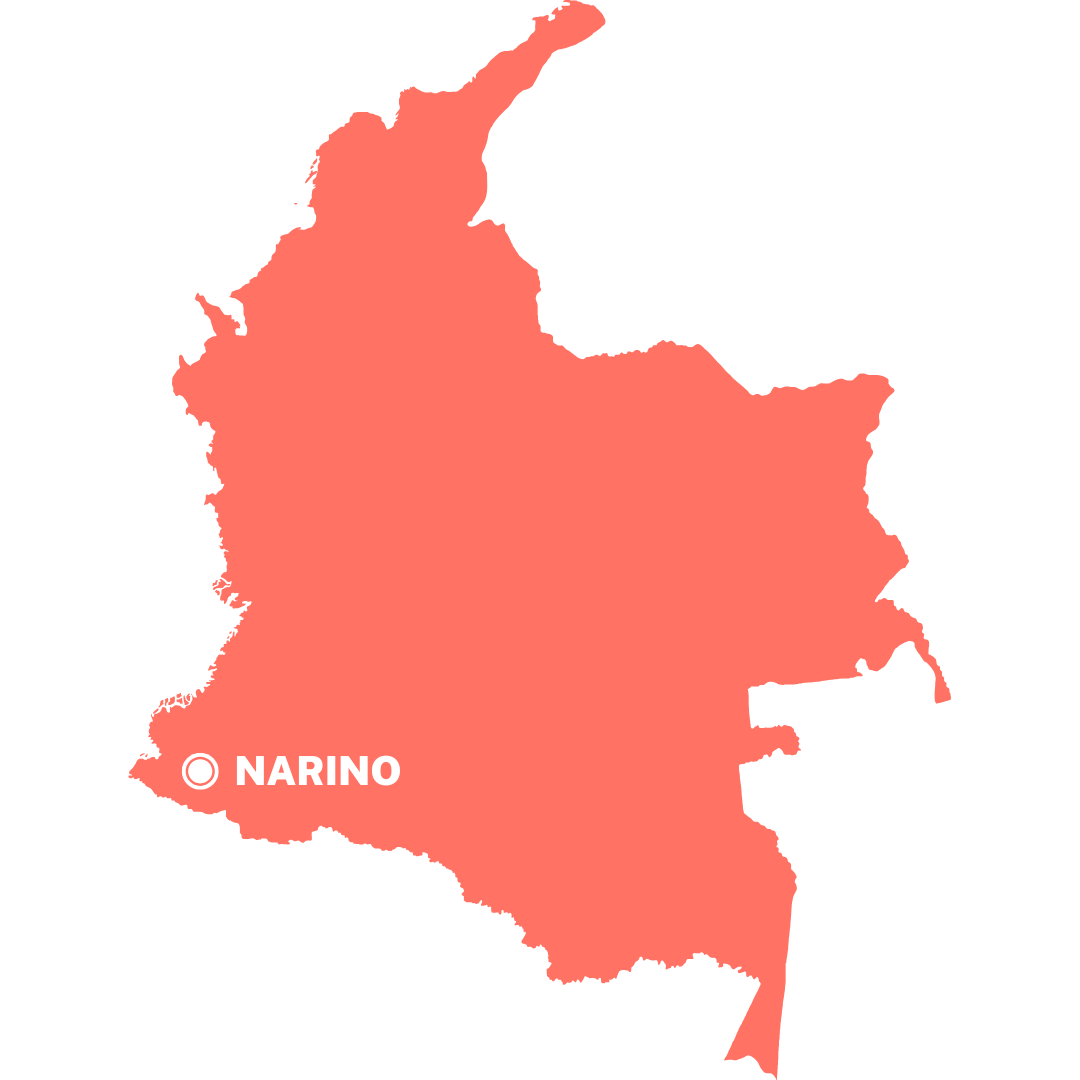
Hulcafe is a Colombian company specialized in the cultivation, processing, and export of high-quality coffee beans, as well as services related to the entire coffee value chain. The company operates mainly in the regions of Huila and Quindío, where its operational centers are located, along with the Trilladora Laboyana facility, where part of the processing and decaffeination takes place. Hulcafe was founded with a clear goal of improving the quality of coffee production and supporting traditional farmers, combining family tradition, ethical business practices, and innovative technological solutions.
The company collaborates with local farmers and communities and offers services that include bean selection, processing, harvesting, pre-processing, and the export of coffee beans with various profiles — from green coffee to roasted and packaged products. Hulcafe is also active in international markets, allowing global buyers access to its premium coffees.
Processing Method – Sugar Cane Decaf (EA)
For the decaffeination of Hulcafe Decaf coffee, the Sugar Cane Decaf method is used, which is based on ethyl acetate (EA) — a natural compound derived from sugarcane. This process is considered one of the gentlest and most “natural” decaffeination methods because it respects the structure of the raw coffee bean and preserves most of its aromatic properties.
The process works as follows:
-
Preparation of green coffee beans – the beans are first moistened with water, allowing their cellular structure to expand and release caffeine.
-
Application of EA – ethyl acetate selectively binds to caffeine and removes it from the bean while having minimal impact on other aromatic compounds.
-
Rinsing and drying – after the caffeine extraction, the beans are thoroughly rinsed and gently dried to reach the optimal moisture level.
Because ethyl acetate originates from a natural source (sugarcane), this method is considered a particularly clean and flavorful decaffeination technique that does not introduce artificial or aggressive chemicals while preserving the coffee’s original profile. The result is a decaffeinated coffee with high aromatic integrity and pleasant sweetness, suitable for various brewing methods (filter, espresso, and alternative methods).