FINCA EL MANGO – COSTA RICA
The Ureña Family and Café Rivense del Chirripó
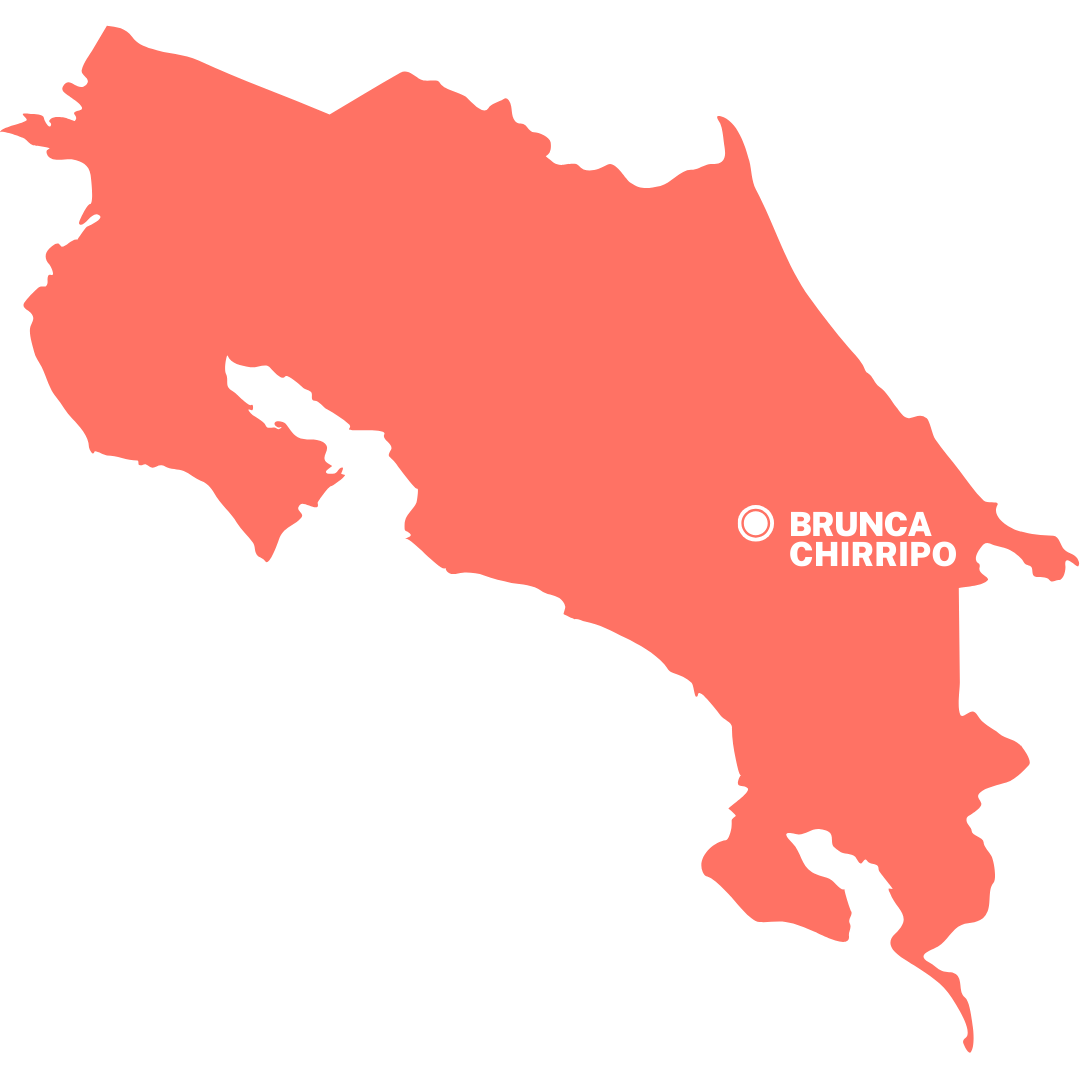
El Mango Farm is part of the family-run Café Rivense del Chirripó project, a micro-mill founded in 2005 by Régulo Ureña and Isabel Rojas in southern Costa Rica, in the Brunca region and the Chirripó micro-region. Today, the estate remains entirely family-operated, with their children Ricardo, Mario, Esteban, Luis, and Tatiana actively involved in the continued development of the project and in overseeing coffee production and processing.
The Chirripó micro-region lies between two of Costa Rica’s highest mountains — Cerro de la Muerte (3,491 m) and Cerro Chirripó (3,820 m) — creating a unique high-altitude microclimate. Elevations ranging from approximately 1,300 to over 2,000 meters above sea level, combined with rich volcanic soils, allow for slow cherry maturation and the development of remarkable aromatic complexity.
The Ureña family manages its farms sustainably and with a clear vision of reducing environmental impact. The coffee is grown in a shaded system with trees that contribute organic matter to the soil and promote biodiversity. Fertilization is based on soil analysis, and the farm’s water sources are strictly protected. Coffee cherries are hand-picked at peak ripeness, then processed and dried directly on the estate, ensuring complete traceability and rigorous quality control.
The quality of Café Rivense coffees has received repeated international recognition, including 5th place in the 2019 Costa Rica Cup of Excellence, helping to place the Chirripó micro-region firmly on the map of exceptional specialty coffees.
CATUAÍ VARIETY
Catuaí is one of the most important Arabica varieties in Costa Rica and Brazil. It was developed as a cross between Caturra and Mundo Novo, combining a compact plant structure with high productivity.
This variety is especially valued for its stability, strong adaptation to high-altitude conditions, and very clean sensory profile. In the cup, it often expresses balanced sweetness, lively fruit notes, and elegant acidity, making it particularly well suited to precise processing and experimental fermentations.
At the high elevations of the Chirripó micro-region, Catuaí develops distinctive complexity, as the slow ripening of the cherries enhances the fruit sugars and creates a highly expressive aromatic profile.
PROCESS: HONEY ANAEROBIC
Honey Anaerobic is a modern processing method that combines elements of honey processing with controlled anaerobic fermentation.
After the careful hand-harvesting of ripe cherries, the outer skin of the fruit is removed while part of the sweet mucilage remains on the bean. The beans are then fermented in sealed oxygen-free tanks, where a controlled anaerobic fermentation takes place. This process encourages the development of complex aromatic compounds and enhances the coffee’s natural sweetness.
After fermentation, the coffee is dried on raised beds and in controlled drying systems until it reaches the optimal moisture content.
The result is a coffee with a richer body, pronounced sweetness, and a layered fruit profile, combining the clarity of the honey process with the aromatic complexity of advanced fermentation techniques.