Coffee: 18 g
Yield: 37 g
Time: 25–26 sekund
Water: 93.5 °C
Brazil
DATERRA - BOA VISTA
bourbon, paraiso - natural
Specifications
Taste profile
peach, caramel, hazelnut cream
Aroma
Roasting profile
Optimum quality
Store coffee in a cool, dry place. For optimum quality, use within 7 days after opening the bag.
Make coffee at home

ESPRESSO
All of our coffees are suitable for all methods, but in our opinion this coffee is best expressed by the methods recommended below. Click on the icon to brew your coffee according to the recipe.
Information about coffee
The story of coffee
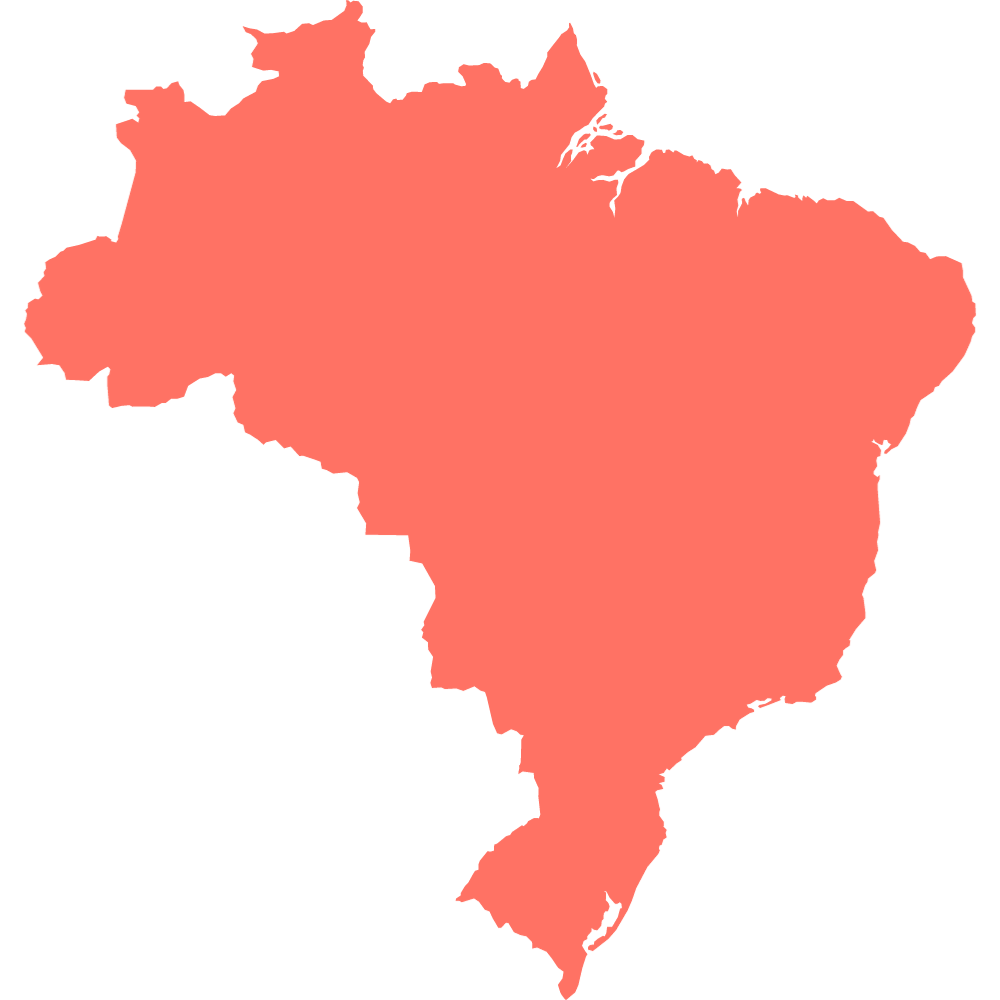
Daterra Coffee is one of the most recognised and technologically advanced coffee organisations in Brazil. The project is closely connected to the Pascoal family and the vision of Luis Norberto Pascoal, who began developing a coffee production model in the late 1980s based on quality, sustainable farming, research, and long-term environmental regeneration. Daterra is located in the Cerrado Mineiro region, near the city of Patrocínio in the state of Minas Gerais, one of Brazil’s most important areas for arabica coffee production.
Today, Daterra operates as an integrated system of several coffee farms, micro-locations, research projects, laboratories, and processing units. Their approach is based on dividing larger areas into smaller, precisely managed plots, or “mini-farms”, allowing for greater control over varieties, cherry ripeness, harvesting, drying, and the sensory profile of each individual lot. Daterra is also known for its highly systematic approach to quality, selective mechanical harvesting, in-house quality control laboratories, and precise traceability from plot to export.
Boa Vista Farm is one of the key estates within the Daterra Coffee system. It is located in Cerrado Mineiro, where the combination of altitude, dry winters, warm and humid summers, intense sunlight, cooler nights, and mineral-rich soils enables the slow and even ripening of coffee cherries. The farm plays an important role both in production and in the development of higher-quality lots, as Boa Vista integrates coffee plantations, processing infrastructure, and sensory analysis laboratories. For this reason, Boa Vista is not merely a traditional coffee farm, but a precisely managed production and research unit within the wider Daterra system.
Daterra is also internationally recognised for its sustainable farming model. It was the first Rainforest Alliance certified farm in Brazil; in 2008, it was recognised by Illy as a sustainable farm model; and it also received the Globo Rural award as the most sustainable farm in Brazil. A large part of Daterra Coffee’s identity is built on the preservation of the native Cerrado vegetation, efficient water use, soil regeneration, research, and the development of technologies that connect quality, productivity, and environmental responsibility.
DATERRA COFFEE, BOA VISTA FARM comes from this precisely managed environment, where Brazilian coffee-growing tradition is combined with an exceptionally modern, scientific approach. The combination of Bourbon and Paraiso varieties, together with the natural process, creates a profile that expresses ripe yellow stone fruit, soft caramel sweetness, and a creamy texture typical of high-quality naturally processed coffees from Cerrado Mineiro.
BOURBON
Bourbon is one of the most important and genetically influential arabica varieties in the world. It is known for its high sensory quality, elegant sweetness, rounded body, and potential for complex fruity and caramel-like profiles. In Brazil, Bourbon often expresses itself through soft sweetness, nutty tones, chocolate depth, and pleasant fruitiness.
PARAISO
Paraiso, or Paraíso MG H 419-1, is a Brazilian variety developed by EPAMIG and the Federal University of Viçosa as a cross between Catuaí Amarelo IAC 30 and Timor Hybrid UFV 445-46. The variety is valued for its resistance to coffee leaf rust, good productivity, and adaptability to Brazilian growing conditions. In the cup, it can contribute clarity, structure, sweetness, and a balanced fruit-caramel character.
NATURAL PROCESS
In the natural process, coffee cherries are not depulped immediately after harvesting, but are dried whole, together with the skin, fruit pulp, and seed. First, ripe cherries are selected and then spread out on drying surfaces, where they are regularly turned to ensure even fermentation and to prevent the development of undesirable flavours. During slow drying, sugars and aromatic compounds from the fruit pulp influence the final sensory profile of the bean.
Once the cherries reach the appropriate moisture content, the dried outer layers are mechanically removed, and the beans are then stabilised, sorted, and prepared for export. The natural process often highlights a fuller body, higher perception of sweetness, ripe fruit notes, and softer acidity. In this coffee, the process integrates beautifully with the character of Bourbon and Paraiso, creating a profile with notes of peach, nectarine, apricot, dark caramel, and hazelnut cream.
Grower
Daterra Coffee
Estate
Boa Vista
Microlocation
Cerrado Mineiro
Altitude
1150 m
Country
Brazil